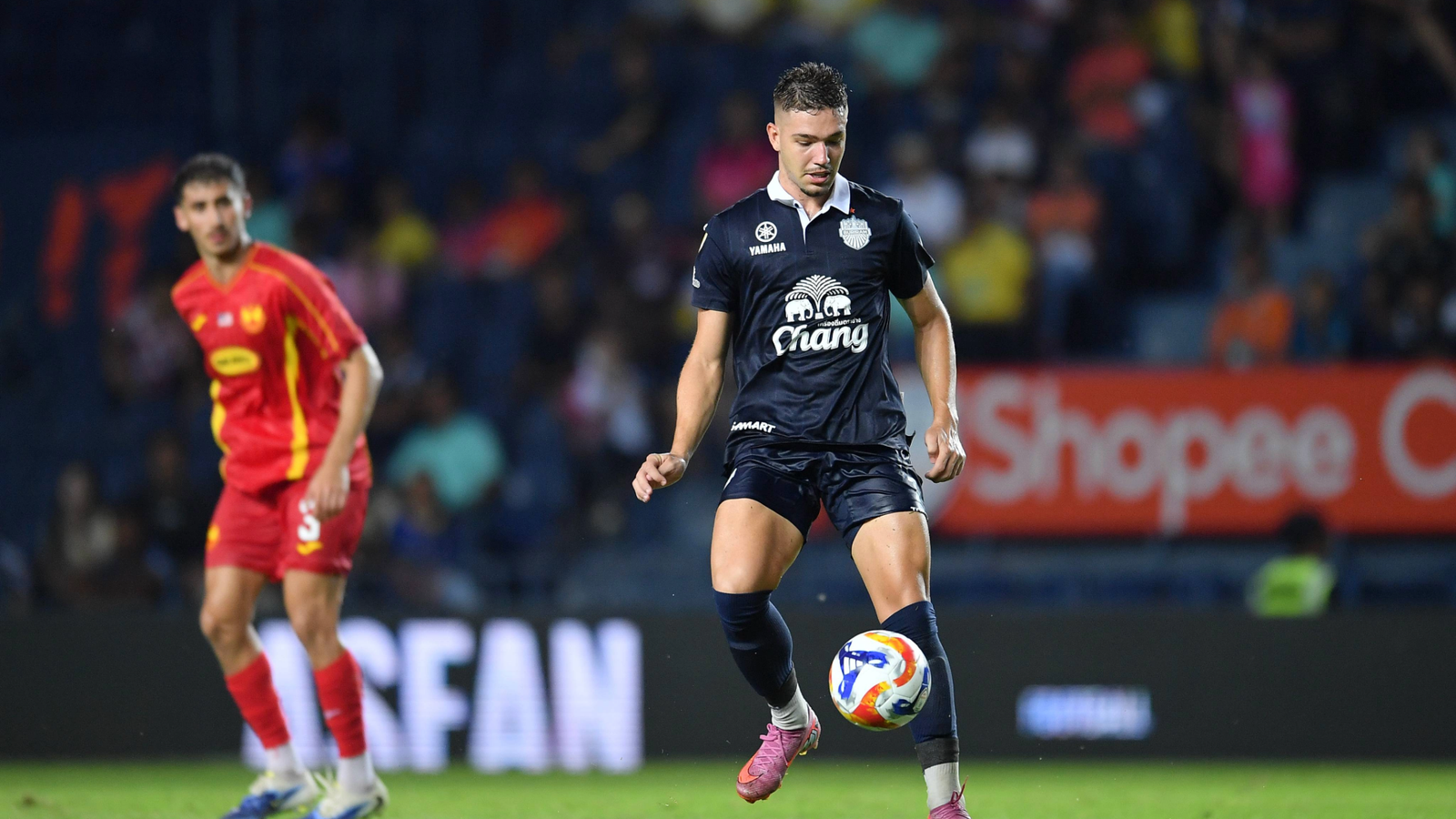
Identifying Late-Goal Surges in 2009/10 La Liga: A Blueprint for Final 15-Minute In-Play Betting
The closing stages of Spanish top-flight fixtures during the 2009/2010 season consistently produced extreme tactical disruption, resulting in a disproportionate number of goals scored after the 75th minute. As matches entered their final quarter-hour, the cumulative effects of aggressive pressing schemes, widening positional gaps, and desperation-driven tactical shifts dismantled defensive parity. Analyzing these distinct late-game environments allows in-play observers to anticipate late offensive surges rather than treating 80th-minute strikes as mere coincidences.
The Structural Drivers Behind Late-Match Volatility in Spain
A football match does not experience a linear decline in defensive focus; rather, defensive cohesion tends to degrade abruptly once central midfielders lose the aerobic capacity to track runners across the half-spaces. In the 2009/10 La Liga season, high tactical demands placed on mid-block systems meant that the final fifteen minutes represented a completely separate game state compared to the opening hour. When defensive lines could no longer maintain vertical compactness, top-tier attacking units generated high-quality chances at an accelerated pace.
Examining the statistical breakdown of goals scored during this decisive fifteen-minute interval reveals which teams systematically capitalized on late defensive breakdowns across thirty-eight league rounds:
| Club | Total Goals Scored | Goals Scored (76–90+ Min) | Percentage of Goals in Final 15 Min (%) | Late Match-Winning / Equalizing Goals |
| Real Madrid | 102 | 28 | 27.5% | 9 |
| Barcelona | 98 | 22 | 22.4% | 6 |
| Valencia | 58 | 17 | 29.3% | 7 |
| Sevilla | 65 | 16 | 24.6% | 5 |
| Athletic Bilbao | 50 | 14 | 28.0% | 6 |
These figures demonstrate that nearly thirty percent of all goals produced by upper-tier sides occurred in the final fifteen minutes plus stoppage time. Real Madrid’s tally of 28 late goals highlights an exceptional ability to overwhelm opponents physically and technically once defensive structures softened.
Recognizing these distributions allows in-play analysts to identify live match states where the likelihood of a late goal remains mathematically elevated, even if the scoreboard has remained static for prolonged stretches of the second half.
Real Madrid’s Late Overload and Direct Counter-Attacking Speed
Manuel Pellegrini’s Real Madrid excelled at turning the final quarter-hour into high-velocity transition sequences. When opponents attempted to push forward to chase a point late in the game, Madrid utilized the explosive vertical running of Cristiano Ronaldo, Kaká, and Gonzalo Higuaín to bypass disorganized midfields in three passes or fewer.
75th Minute: Opponent Commits Midfielders -> Space Opens Behind Defensive Line -> Direct Long Progression -> High-Volume Shots in Final 10 Minutes
This sequence illustrates why Madrid scored late goals in clusters rather than isolated instances. The sheer physical acceleration of their forward line against exhausted defenders meant that a single turnover frequently resulted in an uncontested shot on target.
Even in fixtures where Madrid already held a narrow advantage, Pellegrini rarely shifted into a passive defensive shell. The strategic insistence on exploiting wide counter-attacking channels ensured sustained offensive output right through the final whistle.
Barcelona’s Territorial Squeeze and Second-Phase Breakdown
Unlike the rapid vertical transitions favored by Madrid, Pep Guardiola’s Barcelona dismantled opponents late in matches through claustrophobic territorial dominance. By pinning opponents inside their defensive third, Barcelona forced defenders to execute dozens of clearances under heavy physical and mental pressure.
Tracking in-play game metrics requires observing how sustained attacking pressure alters live price behavior across various sports betting formats. Under specific live game scenarios where price movements resemble the rapid value shifts found within a high-speed casino online website, identifying severe territorial compression signals that an exhausted low block is about to concede regardless of current scorelines.
Once an opposing backline suffered cognitive fatigue, Barcelona’s rapid short-passing combinations pierced the central penalty area. This continuous pressure frequently yielded decisive penalties, deflections, and back-post tap-ins during the final ten minutes of play.
Substitution Patterns and Fresh-Leg Exploitation
Managerial interventions between the 60th and 70th minutes served as direct catalysts for late-match goal inflation. Introducing rapid wide players against fullbacks carrying eighty minutes of heavy sprinting completely transformed the geometry of the pitch.
Pacing Mismatches on the Flanks
Fresh wingers targeted tired fullbacks who could no longer contest one-on-one duels without fouling. This dynamic produced dangerous set pieces, corner sequences, and cutback deliveries deep into stoppage time.
Broken Midfield Filters
When managers substituted creative attacking midfielders for holding specialists in pursuit of an equalizer, the defensive screen vanished. This tactical gamble left center-backs completely isolated against direct forward runs.
Live Match Triggers Indicating an Imminent 80th-Minute Goal
Anticipating a late goal during live match tracking requires looking beyond standard possession percentages to identify concrete indicators of structural collapse. Certain in-game markers reliably demonstrate that a goal is imminent before the odds adjust.
An actionable checklist for evaluating live tactical breakdown during the final quarter-hour includes:
- Sustained inability of the defending team to clear the ball beyond their own middle third
- Fullbacks dropping noticeably deeper than central defenders to artificially play attacking forwards onside
- Frequent stoppages caused by physical cramping, signaling severe muscular depletion in key defensive zones
- Goalkeepers opting for hurried, inaccurate long clearances that immediately return possession to the attacking team
- The attacking manager shifting to a three-at-the-back system to commit an extra target forward into the penalty box
When at least three of these tactical triggers occur simultaneously past the 75th minute, defensive failure rates escalate dramatically. In-play observers capitalizing on these moments can position themselves ahead of the market before the breakthrough occurs.
Game-State Urgency: Relegation Scraps vs. Title Chases
The contextual value of a single point in the 2009/10 standings dictated tactical behavior in the final fifteen minutes. For clubs battling relegation, such as Tenerife or Real Valladolid, conceding an opening goal late in a match forced a total abandonment of defensive structure to salvage their top-flight status.
Evaluating late-game momentum shifts requires assessing whether an underdog’s tactical posture has transformed from structured containment to high-risk desperation. If an analytical model tracks sudden increases in box entries through an advanced betting destination like แทงบอลออนไลน์, the surge in offensive volume confirms that late goals become highly probable as both sides trade unchecked attacking opportunities.
These chaotic end-to-end game states regularly produced secondary and tertiary goals after the 85th minute, as the trailing side left their own half completely unprotected in a desperate search for an equalizer.
Operational Scenarios That Suppress Late-Game Scoring
Despite strong league-wide tendencies toward late goal production, specific operational environments completely neutralized late-game scoring opportunities. When an elite team established a three-goal margin prior to the 70th minute, match tempo predictably collapsed.
Leading teams engaged in low-risk ball retention across their own defensive third to minimize injury risk, while defeated opponents retreated into a passive posture to prevent further goal-difference damage. Recognizing when competitive tension has fully exited a fixture prevents incorrect assumptions about uniform late-game goal volatility.
Summary
In-play wagering on the final fifteen minutes of 2009/10 La Liga matches was underpinned by clear tactical and physiological mechanisms rather than random variance. Real Madrid and Barcelona generated high late-goal volumes through contrasting styles of rapid counter-attacking and territorial suffocation, while mid-table defensive units routinely collapsed under physical exhaustion. Identifying structural indicators such as broken midfield screens, severe territorial confinement, and desperate game-state adjustments provides a reliable framework for forecasting late scoreline changes in top-level football.
Related Article

ทดลองเล่นสล็อต: Explore the World of Online Slot Games

Slot Gacor Terpercaya: Panduan Memilih Situs Slot Online yang Aman dan Terpercaya