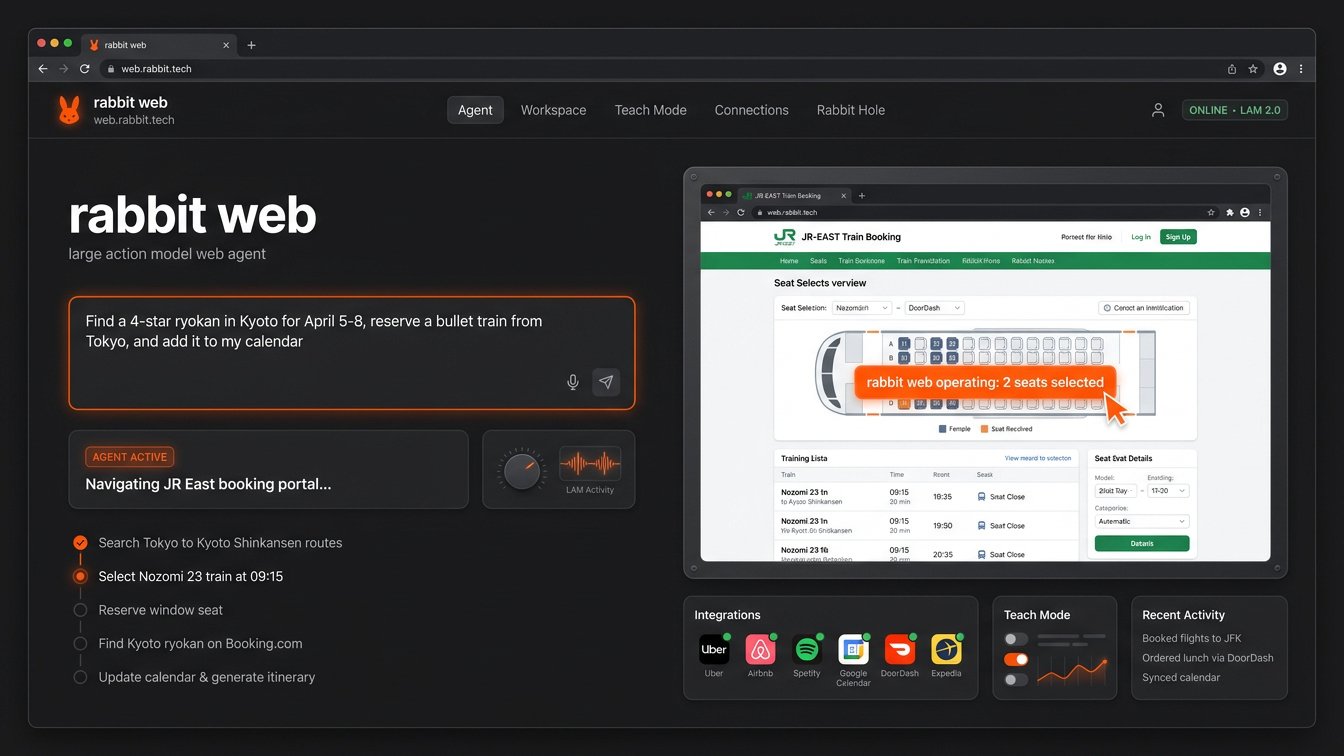
Understanding the Rabbit Web Concept
The phrase rabbit web brings together two ideas that feel distinct at first glance yet connect naturally in modern digital design, software architecture, and creative branding. On one side, a rabbit evokes agility, quickness, adaptability, and alert awareness. On the other side, the web represents interconnected pathways, shared knowledge, distributed networks, and interactive digital spaces. When combined, the rabbit web serves as a vivid metaphor for fast, responsive, and well-connected digital systems, as well as a memorable branding motif for platforms, tools, and creative projects.
Because the term is open-ended rather than tied to a single universal standard, exploring it through several lenses makes the concept much more practical. Builders, designers, writers, and product creators can treat the rabbit web as a design philosophy centered on low-friction navigation, a mental model for mapping connected ideas without getting lost in dead ends, or an identity theme for a website, game, or community hub. Whatever angle you choose, the core strength of the idea lies in pairing speed and lightness with clear structure so users can move effortlessly from one thought or page to the next.
Core Pillars of a Rabbit Web Approach
A strong rabbit web experience balances speed with clarity so quick movement never turns into confusion. Instead of forcing visitors through rigid funnels or heavy layouts, it favors lightweight pages, clear signposts, and intuitive links between related topics.
- Rapid Navigation and Low Friction: Pages load quickly, menus stay uncluttered, and key destinations stay within easy reach so people can jump between sections without waiting or guessing where to click next.
- Connected Pathways Instead of Dead Ends: Every page or note links naturally to closely related ideas, giving curious readers clear branches to explore without trapping them in circular loops.
- Clear Visual Hierarchy: Headings, spacing, and readable typography guide the eye immediately to what matters most, helping fast scanners grasp structure at a glance.
- Adaptive Responsiveness: Layouts adjust smoothly across desktop and mobile screens while keeping controls easy to tap and text comfortable to read in any setting.
- Playful Yet Purposeful Identity: Subtle character, warmth, or visual rhythm makes a site memorable while keeping usability front and center so personality never gets in the way of function.
Designing Fast and Connected Digital Experiences
Speed on the web is more than a technical metric; it shapes how confident and relaxed people feel while browsing. When a site responds almost immediately to a tap or click, exploration feels natural rather than effortful. Achieving that speed starts with disciplined choices around media size, clean code, minimal third-party scripts, and sensible caching so returning visitors see fresh content quickly without re-downloading everything from scratch.
Equally important is how information is woven together behind the scenes. A well-structured site acts like a thoughtful web of passages rather than a pile of isolated pages. When an article introduces a concept, linking directly to a deeper guide, a practical example, or a related tool lets the reader follow their curiosity in real time. Good internal linking also helps search engines and site visitors alike understand how topics relate, turning separate pieces of content into a cohesive body of work.
Structure prevents speed from turning into aimlessness. Even when users jump around freely, they need reliable landmarks—clear titles, predictable section headings, breadcrumbs or clear navigation bars, and concise summaries—so they always know where they are and how to return to a starting point. When quick movement and clear orientation work together, exploration feels energizing rather than overwhelming.
Practical Applications Across Projects and Teams
The rabbit web mindset adapts easily to many kinds of work because almost every digital project benefits from faster discovery and cleaner connections between ideas. In content publishing and knowledge bases, grouping related guides around shared themes helps readers move smoothly from foundational concepts to hands-on workflows. Instead of forcing someone to hunt through dozens of unrelated posts, clear topic clusters guide them step by step while still leaving room to branch out.
In product design and web development, the same principles show up in streamlined onboarding, fast search or filtering, and modular components that teams can reuse without bloating the interface. Designers can test how quickly a first-time visitor completes a core task, removes unnecessary steps, and makes sure primary actions stand out clearly. Small improvements in clarity and speed often compound across hundreds or thousands of sessions.
For creative brands, indie studios, and personal projects, the imagery of a rabbit and a web also offers rich storytelling material. Whether used in a logo, an illustrated mascot, a fictional world, or a community space, the motif naturally suggests curiosity, resourcefulness, and lively exchange. Keeping the visual style cohesive—consistent colors, clean shapes, and thoughtful contrast—ensures the theme feels intentional rather than decorative.
Common Pitfalls to Avoid in Web Structure
Pursuing speed and interconnectedness can backfire if projects trade clarity for cleverness. One common mistake is over-linking—sprinkling so many links into every paragraph that readers lose track of the main thread and abandon the page before finishing a thought. A better habit is linking selectively where an extra resource genuinely answers a likely question or deepens the current point.
Another frequent trap is heavy visual clutter disguised as creativity. Complex animations, oversized background media, pop-ups, and crowded sidebars slow down rendering and pull attention away from the core message. Keeping layouts focused and testing real pages on modest connections and smaller screens helps catch slowdowns early.
Finally, teams sometimes build rich connections between pages while neglecting upkeep. Outdated links, duplicate topics with conflicting advice, and missing headings erode trust faster than almost anything else. Periodic reviews to prune stale pages, refresh key sections, and verify that navigation still matches how people actually use the site keep a rabbit web healthy over time.
Building and Sustaining Momentum Over Time
A digital project rarely succeeds from a single launch day; it grows through steady refinement based on how real people interact with it. Watching where visitors pause, what pages they visit next, and where they drop off reveals practical opportunities to tighten copy, improve layout flow, or add a missing bridge between topics. Small, regular improvements keep the site agile without forcing disruptive rebuilds.
Documentation and shared standards help teams maintain that agility as a project expands. Simple conventions for naming pages, writing clear headings, compressing images, and checking mobile layout before publishing take only a few minutes per update yet save hours of cleanup later. When everyone follows clear basics, new content fits seamlessly into the existing structure.
Ultimately, the rabbit web is an invitation to build digital spaces that feel alive, approachable, and easy to navigate. By combining nimble performance, thoughtful connections between ideas, and clear visual signposts, creators can make complex topics feel welcoming and help visitors find what they need without friction.
Related Article

Is Adstotally.com Legit? What You Need to Know in 2026