A Comprehensive Guide to the Popular Movie Download Platform
In the crowded universe of online streaming, DotMovies stands out as a major hub for film fans. It’s more than a website it’s a concept of instant, limitless access to movies, representing today’s on demand viewing culture. This guide explores DotMovies‘ appeal, how it operates, and its real impact on how we watch films.
The shift from physical media to infinite digital libraries has been swift and transformative. Sites like DotMovies break down viewing barriers, offering a single, searchable portal to global cinema. This move isn’t just about convenience it changes film culture, helping niche and international content reach new audiences. To grasp DotMovies is to understand modern film distribution.
Yet this landscape requires careful navigation. It blends issues of access, legality, and the health of the creative industry. By examining the DotMovies ecosystem from user experience to wider consequences this article provides a clear guide to engaging with such platforms smartly, safely, and with respect for the art of cinema.
What Exactly is DotMovies?
DotMovies typically refers to a class of online platforms or websites that aggregate and provide streaming links or downloads for a massive array of movies and television shows. These sites often position themselves as comprehensive hubs, categorizing content by genre, year, country, and popularity to serve a global audience. The core promise is a one stop shop for visual storytelling, from the latest Hollywood blockbusters to obscure independent films.
The Core Functionality and User Interface
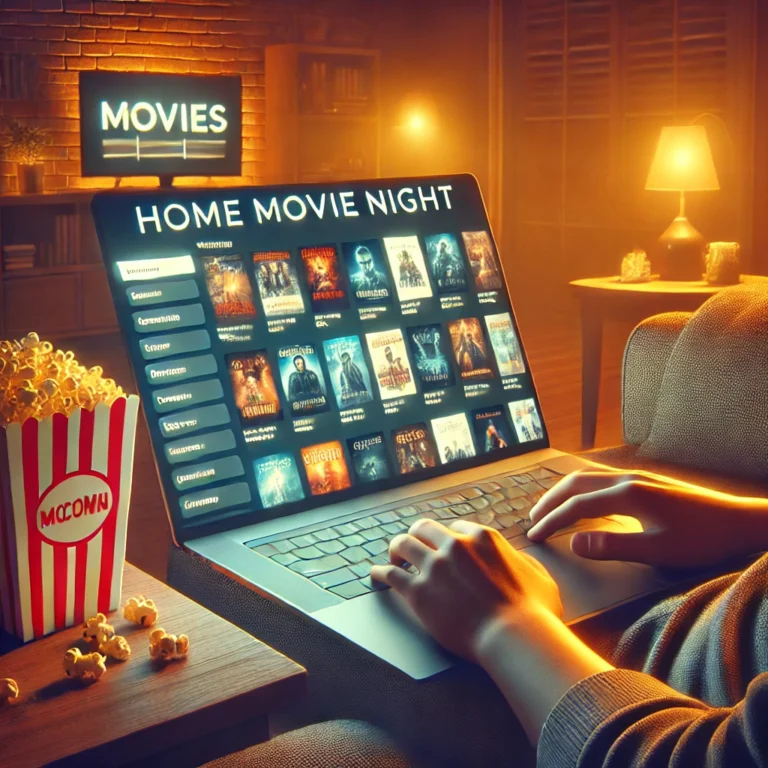
At its heart, a DotMovies style site is built for discovery and ease of access. The interface is usually dominated by a powerful search engine and intuitive filters. Users can often browse through meticulously updated sections like “Recently Added,” “Most Watched,” or “Top IMDb.” The design prioritizes getting the user to the video player with minimal clicks, featuring large poster art and brief synopses. This frictionless design is a major driver of its popularity, especially among viewers who value time and a wide selection.
The Content Library: Breadth Over Curation?
Unlike licensed streaming services that curate a selective, rotating library, DotMovies platforms often aim for staggering breadth. The goal is to host everything a viewer might think to search for. This creates a paradoxical experience: unlimited choice can sometimes feel overwhelming without algorithmic curation or editorial guidance. While you can find almost anything, you might miss the hand picked recommendations that services like MUBI or the Criterion Channel provide, which foster a more guided cinematic education.
The Technology Behind the Stream
These sites rely on a network of video hosting servers and sophisticated linking technology. When a user selects a film, the platform typically fetches the video file from a third party server, embedding the player on its own page. This method allows for a vast library without the astronomical hosting costs borne by subscription services. However, this also leads to variable streaming quality, from crystal clear HD to grainy, low resolution copies, and the constant game of cat and mouse with domain takedowns.
The Driving Forces Behind the Popularity of DotMovies
The ascent of platforms like DotMovies is no accident. It is fueled by a confluence of consumer demands and gaps in the traditional market. The primary engine is the insatiable desire for on demand, cost effective entertainment. In an era of subscription fatigue, where one needs multiple paid services to follow specific shows, the allure of a free, consolidated library is powerful. It represents a form of digital convenience that paid models have struggled to fully replicate.
The Cost Factor and Accessibility
For millions worldwide, the price of multiple streaming subscriptions is prohibitive. DotMovies sites democratize access, removing the financial barrier to entertainment. This is particularly significant in regions where official streaming services have limited libraries or are not available at all. It provides a level of cultural access that would otherwise be denied, allowing for a more globally aware viewership, albeit through unofficial channels.
The Frustration with Fragmented Licensing
The modern streaming landscape is fragmented. A viewer might need subscriptions to Service A for one show, Service B for a film series, and Service C for a specific movie. This “platform fatigue” drives users toward consolidation. DotMovies, by aggregating links from across the web, creates the illusion of a single, universal service. It solves the user’s problem of “where to watch” by often being the only place where everything appears to be available in one search.
Instant Gratification and the Fear of Missing Out
When a film is trending on social media, the desire to watch it now is intense. If it’s not available on a user’s existing subscriptions, the wait for rental windows or platform rotation can feel archaic. DotMovies caters to this culture of instant gratification and FOMO (Fear of Missing Out). It satisfies the immediate urge to participate in the cultural conversation, making it a go to for timely content that is otherwise locked behind staggered release schedules..
Read More: Complete Guide to Tamil Movie Downloads, Risks, Legal Issues, and Safe Alternatives.
Critical Considerations: Legal and Ethical Implications
Engaging with DotMovies style platforms is not without significant legal and ethical dimensions. It exists in a grey area of copyright law, which varies by jurisdiction but generally treats the unlicensed distribution of copyrighted content as infringement. Users must understand that while accessing these sites is often low risk on an individual level, the act supports an ecosystem that circumvents content ownership.
Copyright Infringement
Copyright law grants creators and distributors exclusive rights to monetize and distribute their work. Sites that host or link to content without licensing agreements directly violate these rights. This isn’t a victimless act; it diverts the revenue that funds future productions, from big budget films to small independent projects. The legal onus typically falls on the site operators, but user behavior fuels the demand that keeps such sites operational.
Security Risks for the End User
Free often comes at a hidden cost. These sites are frequently riddled with intrusive advertising, including pop ups, redirects, and malicious ads (malvertising) that can lead to malware, ransomware, or phishing scams. Users risk compromising their device security and personal data. The necessity of robust ad blockers and antivirus software is high, but even these are not foolproof against ever evolving digital threats on unregulated sites.
The Ethical Impact on the Film Industry
The ethical debate is central. Piracy affects the entire production chain:
- Creatives: Lost royalties for writers, directors, and composers.
- Crew: Potential for reduced budgets and job opportunities on future projects.
- Distributors & Cinemas: Undermined revenue streams, especially damaging for independent and non English language films that operate on thin margins.
Choosing legitimate channels, even if through library services or ad supported free tiers, directly contributes to the ecosystem that creates the content audiences love.
How DotMovies Contrasts with Legal Streaming Alternatives
The choice between a DotMovies type site and a legal service is not merely about cost versus legality. It represents a choice between two fundamentally different models of content delivery, each with its own value proposition, quality guarantees, and long term implications for the viewer and the industry.
Content Quality and Reliability
- Legal Services: Guarantee specific resolutions (HD, 4K, HDR), professional subtitling/dubbing, and reliable uptime with consistent streaming speeds.
- DotMovies Sites: Offer highly variable quality, from DVD rips to camcorder recordings. Subtitles are often user generated and out of sync. Streams can buffer incessantly or dead end as links are taken down.
The User Experience and Additional Features
Legal platforms invest heavily in user experience: personalized profiles, sophisticated recommendation algorithms, offline viewing, and seamless cross device synchronization. They also provide bonus features like behind the scenes documentaries, director commentaries, and curated collections. DotMovies sites offer a purely transactional experience find and play with no frills, community features, or supplemental materials to enrich the viewing.
Supporting Sustainability vs. Immediate Access
Subscribing to a legal service is an investment in sustainability. It tells the market what kinds of stories you value, funding new and diverse content. Using DotMovies is an act of pure consumption focused on immediate, cost free access without contributing to the content’s lifecycle. The former supports a cycle of creation; the latter risks making creation less viable for all but the largest, most risk averse studios.
Navigating the Digital Landscape Safely and Responsibly
If you choose to explore the wider internet for film content, informed caution is paramount. Your security and ethical compass should guide your actions. Being a responsible digital citizen means understanding the trade offs and taking steps to mitigate risks to yourself and the creative community you purport to love.
Essential Security Precautions
Assume any free streaming site is a potential threat vector. Non negotiable tools include a reputable ad blocker (like uBlock Origin) and a comprehensive, updated antivirus suite. Consider using a VPN to obscure your internet traffic, though this does not legalize infringing activity. Never disable browser security warnings or provide any personal information or payment details on such sites.
Exploring Legitimate Free and Low Cost Alternatives
The market has responded to demand with legal, ad supported free tiers from services like Tubi, Pluto TV, Freevee, and Crackle, which offer vast libraries of films and shows. Public libraries provide free access to Kanopy and Hoopla, featuring arthouse, classic, and independent cinema. These options provide a safe, ethical, and often higher quality viewing experience at no monetary cost.
Cultivating a Balanced Media Diet
A healthy approach to film consumption values quality and intentionality over sheer quantity and immediacy. Instead of mindlessly scrolling an infinite illegal list, consider using services like JustWatch or Reelgood to find where films are legally available to rent or stream. Embrace the practice of renting digital copies for a modest fee, which directly supports the rights holders. This mindful approach deepens your engagement with film as an art form.
The Future of Film Consumption in the Digital Age
The tension between platforms like DotMovies and the established industry is a driving force in the evolution of media. The future will likely be shaped by the industry’s response to the demands that piracy exposes: affordability, consolidation, and global availability. We are already seeing trends like bundled streaming packages, cheaper ad supported tiers, and more unified content discovery apps emerge as competitive answers.
Industry Adaptation and New Models
Studios and streamers are acutely aware of the piracy drivers. Their survival depends on adapting. This means reevaluating global release dates to minimize windows, creating more flexible and affordable subscription models, and perhaps most importantly, improving the user experience to make legal avenues the easiest, not just the “right,” choice. The success of day and date theatrical/streaming releases is a direct response to the demand for accessibility.
Technological Arms Race: DRM vs. Aggregation
The technological battle will intensify. Digital Rights Management (DRM) will become more sophisticated, while aggregation and piracy sites will continually find new methods to circumvent them, including decentralized streaming protocols. This endless cycle pushes innovation on both sides but rarely results in a decisive victory. The most sustainable path forward is reducing the incentive to pirate by enhancing the value proposition of legal services.
The Enduring Value of Community and Curation
Ultimately, the cold, algorithmic vastness of a DotMovies list cannot replicate the warmth of curated community. The future of meaningful film consumption lies in platforms that combine access with context services that not only show you a film but tell you why it matters, connect you with fellow enthusiasts, and guide your journey. This human element of discovery, conversation, and shared passion is what illegal aggregators can never authentically provide, and it remains the greatest asset of the legitimate cinematic ecosystem.
FAQs
Is DotMovies legal?
Typically, no. Streaming from such unauthorized sites usually constitutes copyright infringement in most jurisdictions, as they distribute content without licensing.
Are there safe alternatives?
Yes. Legal, free options include Tubi, Pluto TV, Freevee, Crackle, and library services like Kanopy. Use JustWatch to find where films are available legally.
Can I get a virus?
Risk is high. These sites often contain malicious ads that can deliver malware. Strong ad blockers and antivirus software are essential precautions.
Why are some films only on these sites?
Due to regional licensing, exclusive windows, or rights issues. This “availability gap” is frustrating but doesn’t justify unauthorized distribution.
How does piracy hurt the industry?
It diverts revenue, reducing funds for future projects and affecting incomes for all creatives and crew, especially in independent and niche cinema.
Conclusion
The digital landscape symbolized by DotMovies presents a profound paradox: unparalleled access against a backdrop of significant ethical and legal compromise. It highlights a clear consumer demand for consolidated, affordable, and immediate content a demand the traditional industry has been slow to fully address.
Related Article
Nuggets vs Timberwolves Match Player Stats & Rivalry Breakdown

Poker88: A Complete Guide to Online Poker Entertainment